Perfect Appliance Repair Tampa (813) 522-0014
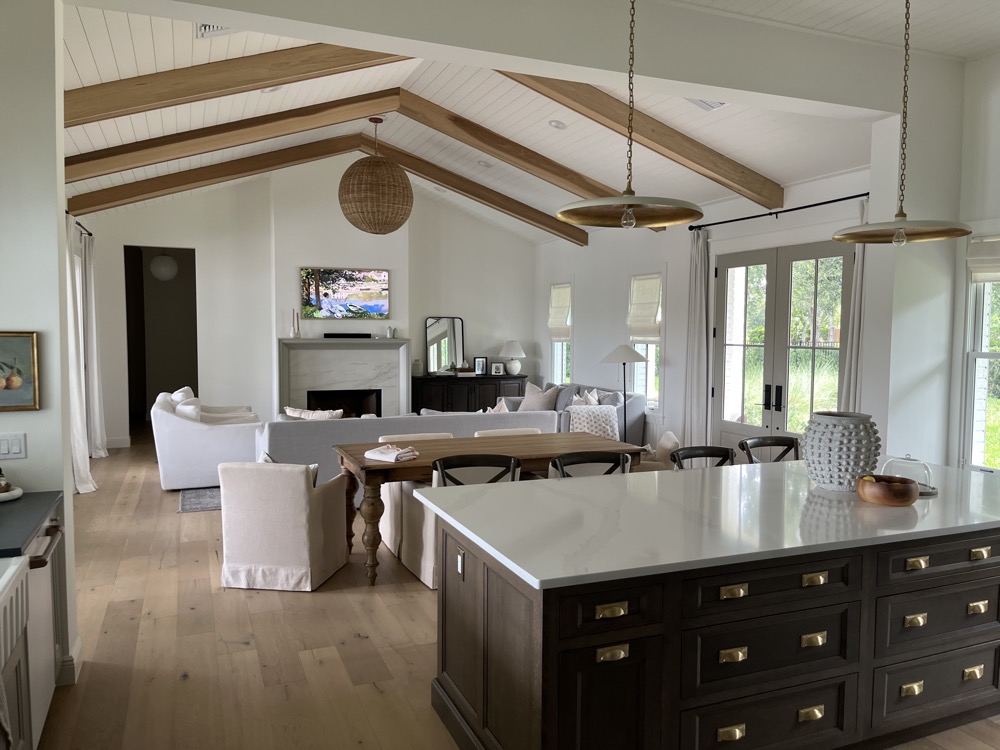
Open Tampa Bay kitchen and living space where a built-in wine cooler lives
Home Services Refrigerator Repair Wine Cooler

Wine Cooler Repair in Tampa Bay

Sub-Zero, U-Line, Marvel and 40+ other brands — built-in, dual-zone column, freestanding and thermoelectric

You've been adding to this collection one good bottle at a time for years: the anniversary vintages, the ones you were saving for your daughter's wedding toast, the case a friend brought back from a trip. None of that shows on a price tag. It shows on the day you open the cooler, and the door is warm to the touch, and you realize every bottle in there has been sitting at the wrong temperature for who knows how long.

Not ready to call yet? Work through the fault finder, look up the code on your display or get the right setpoint for what you store — all free, no form first.

The $69 diagnostic is applied to the repair once you approve it. Same-day availability when possible — call before 2 PM for the best chance. Owner-operated, so you talk directly to the technician, not a call center.

Get your free quote
We confirm within the hour, Monday – Saturday
$69
diagnostic

No obligation, and the phone quote is free. Your info is never shared.

In Tampa Bay's heat, a failing wine cooler doesn't just ruin a dinner party; it can undo years of collecting. Every hour at the wrong temperature degrades your wine, and you don't have days to wait.

We diagnose first, explain what's actually failing, then fix the real problem. No guessing, and no "just buy a new one." We specialize in Sub-Zero, U-Line, and Marvel, and we service virtually every wine cooler brand in Tampa Bay.

Wine chillers, wine cabinets, wine refrigerators, wine cellars — the names change and the physics does not. Whether yours is a built-in column, a freestanding cabinet or a small thermoelectric cooler, the job is to determine the cause of the fault rather than to guess at it, and the list of real causes is shorter than most people expect: a condenser or condenser fan that can no longer shed heat, a noisy fan motor or a failed evaporator fan, a temperature sensor reading something the wine never sees, a control board that has stopped calling for cooling, a door gasket letting Florida humidity in, a blocked drain leaving water pooling under the bottom rack, or — least often, despite being everybody's first fear — a genuine sealed cooling system fault. Compressor issues do happen. They are simply not where a careful diagnosis starts.

The symptoms that bring people to this page are consistent too: the cooler is too warm, it will not maintain stable temperatures, it is producing unusual noises, or condensation has appeared where it never used to be. Put a thermometer inside before you call anyone — that one reading, compared against the display, tells us more than a paragraph of description. Then use the tools below. We are a local appliance repair company, we are quick to respond, and same-day service is available across Tampa Bay when a call comes in before 2 PM.

01 · FREE TOOL

What is your wine cooler doing? Three taps to a real answer

Pick the kind of cabinet you own, pick what you are seeing, then tell us roughly how old it is. You get the cause we look at first, what we actually test before condemning a part, whether that part is likely already on the truck, and how long the visit usually runs. No form to fill in first — and several of these answers end with “the machine is fine, the room is the problem,” which is not something a page trying to sell you a cooler would ever say.

The wording is deliberately hedged. This is what the pattern says before anyone has put a meter on your cabinet, and this page will not promise a diagnosis it has not made.

1 Which kind of wine cooler?

02 · FREE TOOL

Wine cooler error codes: E1, E2, HH, CL and what they mean

Wine cooler manufacturers do not share a single code standard — E4 on a Frigidaire is not E4 on a CDA — so this table is organised by what the letter families usually mean rather than by brand. These are the codes we meet in Tampa Bay homes, with what each one means for the cabinet and, more usefully, what it means for the bottles inside while you wait for us. Start typing to filter.

Wine cooler display codes with meaning and field notes
CodeWhat the control meansWhat it means for your wine
E1 / P1Cabinet temperature sensor faultThe control has lost a believable signal from the probe that reads the cabinet — open circuit, short, or a connector that has corroded in a humid kitchen. Many cabinets fall back to a fixed run-and-rest cycle, which is why the box often keeps cooling roughly while showing the code. The repair is a probe, a harness or a connector, not a compressor.
E2 / P2Second sensor fault — evaporator or second zoneThe probe that watches the coil or the second zone is not reporting. On a dual-zone cabinet this is why one side can drift while the other stays perfect. Left alone it usually turns into ice on the coil, and then into a warm cabinet.
E3Upper-zone sensor or control communicationCommon on dual-zone cabinets from several makers. The upper zone is the one that suffers first in a tall cabinet because heat rises, so this code and a warm top shelf frequently arrive together.
E4Lower-zone sensor or fan feedbackSame family as E3 on the other half of the cabinet. On some models it also covers the evaporator fan reporting the wrong speed, which is worth knowing before anyone orders a control board.
E5Fan or communication faultFrequently a fan the control can no longer confirm is turning, or a break in communication between the display and the main board. Check the obvious first: a blade jammed by ice or a bottle that has shifted against the shroud will produce this code with nothing electrically wrong.
E6 / E7Control board or door-heater circuitThese appear mostly on European-built cabinets and usually mean the board has detected a fault in a circuit it drives — commonly the anti-sweat door heater. Sometimes it clears after a power cycle; when it repeats, the board is the repair.
HH / H1High-temperature alarmThe cabinet has been above its alarm threshold long enough to trip. Treat it as a wine question first and a repair question second: check the actual bottle temperature before you clear the alarm, because the display describes the cabinet, not what is in it.
LL / L1Low-temperature alarmThe cabinet is running colder than its low limit. This is the code that precedes frozen wine and pushed corks, so it deserves the same urgency as a warm alarm even though nothing looks wrong through the glass.
F1Sensor or fan fault (Haier-family cabinets)Same family as E1 and E5 on a differently badged control. Same repair path: verify probe resistance, then the harness, then the board.
CLControl lock — not a faultThe keypad is locked so the setpoint cannot be changed by accident, usually by holding a key for several seconds. If your cabinet will not accept a new temperature and shows CL, nothing is broken.
dEF / EFFDefrost cycle runningNormal operation on cabinets that run an automatic defrost. The temperature will read warmer during the cycle and should recover afterwards. A cabinet that never recovers after defrost clears has a real defrost fault worth chasing.
Er / ErrGeneric controller errorA catch-all on cabinets whose control does not report a specific circuit. It tells you the control is unhappy and nothing more, so it always needs a meter rather than a parts order.
Flashing service lightProtection mode on legacy Sub-Zero 424 and 427 cabinetsThe control has protected itself, most often because the condenser overheated or a thermistor drifted out of range. It is not a verdict on the compressor. We read the stored code at the control, clean and inspect the condenser, and verify the probes before anything is quoted.
Flashing setpointCabinet is in programming modeSomebody is part-way through changing a setting, or a key is stuck. Back out of the menu and confirm the setpoint afterwards — an abandoned edit can leave a collection at the wrong temperature with nothing on the display to warn you.
Blank displayNo display and no lightsLook at power before anything else: the outlet, the plug, the breaker, and any GFCI on the circuit — Florida storms trip more of these than any component failure does. If power is present and the display stays dark, the fault is the board, its transformer or the harness between them.

A code tells you which sensor or circuit the control has lost confidence in. It does not tell you which part failed — a probe, its harness, a connector and the board itself all produce the same code. That gap is the difference between reading a code and diagnosing a fault, and it is why we still put a meter on the cabinet.

Owner-technician of Perfect Appliance Repair Tampa, who personally handles wine cooler service calls across Tampa Bay
WHO ACTUALLY SHOWS UP

The person who answers the phone is the person who opens your cabinet

Wine coolers are where generalist appliance companies get out of their depth, because a cabinet calibrated to hold a two-degree band is not a kitchen fridge with a smaller door. We are owner-operated: you describe the fault to the technician who will arrive, and he arrives having already narrowed it. Licensed and insured, EPA 608 certified for sealed-system work, BBB accredited with an A+ rating, and more than 200 five-star reviews across the major platforms.

Text a photo of the model tag and the display to (813) 522-0014 — we can usually name the likely cause before we leave the shop.

03 · FREE TOOL

Find your brand — and what usually fails on it

Forty of the wine cooler brands we see in Tampa Bay, with the cooling technology each one uses, where it sits in the market, and what it typically fails at. The technology matters more than the badge: a thermoelectric cabinet and a compressor cabinet with the same symptom need completely different work. Filter by technology or type a brand name.

Technology

Wine cooler brands with cooling technology, market tier and typical failure
BrandTechnologyTypeWhat we usually find
Sub-ZeroCompressorBuilt-in premiumLegacy 424, 427 and 427R plus the Designer columns. Service light, thermistors and solenoids dominate the calls; almost always worth repairing.
U-LineCompressorBuilt-in premiumUndercounter cabinets that typically fail at the start relay, thermostat or evaporator fan. Parts support is good and repairs last.
MarvelCompressorBuilt-in premiumSimilar failure profile to U-Line. Control board and door-heater faults show up as codes rather than as noise.
PerlickCompressorBuilt-in premiumBar-grade cabinets built for duty cycles a kitchen unit never sees. Condenser cleaning matters more than anything else you can do.
ThermadorCompressorBuilt-in premiumPanel-ready columns common in Tampa Bay remodels. Clearance behind the millwork is the recurring installation issue.
LiebherrCompressorBuilt-in premiumPrecise electronics and excellent cabinets. Codes are informative here, which makes diagnosis faster than average.
MieleCompressorBuilt-in premiumWell-built and repairable; parts lead time is the variable rather than the repair itself.
VikingCompressorBuilt-in premiumUndercounter and column units. Door alignment and gasket wear drive more calls than the sealed system does.
GE MonogramCompressorBuilt-in premiumControl boards and fans are the common repairs; the cabinets themselves outlast several rounds of parts.
KitchenAidCompressorBuilt-inUndercounter cabinets sharing a platform with other Whirlpool-family units, which helps parts availability.
JennAirCompressorBuilt-inSame family as KitchenAid. Panel and hinge hardware is a frequent secondary repair.
DacorCompressorBuilt-in premiumLess common here, fully repairable, and parts usually have to be ordered rather than carried.
ZephyrCompressorBuilt-inPresrv dual-zone cabinets. Codes and door heaters are the usual complaints.
True ResidentialCompressorBuilt-in premiumCommercial-derived cabinets. Heavy, serviceable and worth repairing at almost any age.
WhirlpoolCompressorFreestandingStraightforward cabinets with good parts support and predictable failures.
FrigidaireCompressorFreestandingOne of the most searched wine cooler brands for faults. Thermistors and control boards lead the list.
DanbyCompressorFreestandingIncluding the Silhouette and Silhouette Professional lines. High-temperature alarms and fan faults are common.
AvantiBothFreestandingSold in both compressor and thermoelectric versions — identifying which you own changes the entire diagnosis.
NewAirBothFreestandingLarge thermoelectric range plus compressor models. Placement is the number-one finding on the thermoelectric cabinets.
EdgeStarBothFreestandingBuilt-in-capable freestanding cabinets. Front-venting models need that vent genuinely clear.
AvallonCompressorFreestandingFront-vented cabinets designed to be built in. Condenser access is easier than on most, which helps.
VinotempBothFreestandingWide range from small counter-top units to serious cellar cabinets, with correspondingly different repair paths.
KalameraCompressorFreestandingPopular dual-zone cabinets. Zone sensors and evaporator fans account for most calls.
AllavinoCompressorFreestandingFlexcount cabinets with individual racking. Compressor start components and fans are the usual repairs.
Wine EnthusiastBothFreestandingSold across both technologies. Older units are repairable if parts are still available.
WhynterCompressorFreestandingDual-zone and built-in-capable cabinets. Codes point to sensors far more often than to compressors.
KoldfrontBothFreestandingCompact and mid-size cabinets. Thermoelectric versions have the usual ambient-temperature limits.
HaierCompressorFreestandingF-family codes for sensor and fan faults. Repairable when parts remain available for the platform.
SummitCompressorFreestandingIncluding built-in-capable models. Solid cabinets with straightforward, serviceable components.
Magic ChefBothCompactMostly smaller cabinets. Worth diagnosing before replacing, though replacement sometimes wins on the smallest units.
InsigniaCompressorFreestandingRetail-channel cabinets with a recognisable E-code set. Sensors dominate.
KoolatronThermoelectricCompactThermoelectric throughout. The fan and the module are the repair; ambient temperature is usually the real story.
IvationThermoelectricCompactSmall counter-top cabinets. Quiet by design, and limited by the room they sit in.
CuisinartThermoelectricCompactCounter-top units. Module and fan replacement as a pair is the standard repair.
EuroCaveCompressorCellar-gradeSerious cellar cabinets with humidity management. Worth repairing essentially always.
BreezaireCompressorCellar coolingWine-room cooling units rather than cabinets. Different install, same diagnostic discipline.
N’FINITYCompressorFreestandingWine Enthusiast cellar-series cabinets. Sensors, fans and boards are the routine repairs.
VissaniBothCompactHome-centre brand across both technologies. Diagnose the technology before diagnosing the fault.
LanboCompressorFreestandingDual-zone cabinets increasingly common in Tampa Bay bars and butler pantries.
SmegCompressorBuilt-inDesign-led cabinets. Parts are ordered rather than carried, so lead time enters the repair conversation.
04 · FREE TOOL

What should your wine cooler actually be set to?

Tick everything you keep in the cabinet. This gives you a storage temperature for each style, tells you whether one zone can honestly cover your collection or whether you need two, and gives you the setpoints to dial in. If your cooler cannot hold the number it should be holding, that is a repair conversation — and the tools above will narrow it.

What do you store?

05 · FREE TOOL

What is actually at stake — and is it worth repairing?

Two calculators. The first puts a number on what is sitting in the cabinet while it runs warm; the second runs the repair-versus-replace arithmetic honestly, including the part most quotes leave out. Nothing is sent anywhere — the maths runs in your browser and we never see it.

Value sitting in the cabinet$0

Heat exposure so far
What that does
Diagnostic to find out$69, applied in full to the repair you approve

An honest caveat: wine does not spoil in an afternoon the way milk does. The damage from heat is cumulative — a few warm days will not ruin a cellar, but weeks at 75°F will age it years, and a single freeze can push a cork and finish a bottle outright. That is why this tool reports exposure rather than pretending to calculate a dollar loss nobody can measure.

FLORIDA STORAGE REALITY

Why a wine cooler isn't a luxury in Tampa Bay

Here's something a lot of Tampa Bay homeowners learn the hard way: you can't properly store wine in a regular refrigerator, and in Florida's climate, leaving wine at room temperature — even in air conditioning — degrades it over time. A standard kitchen refrigerator is designed to keep food cold, not to hold the precise, stable temperature wine needs.

Inside a normal fridge, the temperature is controlled by the freezer, which dumps cold air into the fresh-food compartment rather than controlling it independently. Every eight to twelve hours the system runs a defrost cycle that can swing the temperature 15 to 20 degrees, then the compressor works hard to catch up and overcools everything. Those swings expand and contract the wine and the cork, accelerating oxidation and aging the wine early. On top of that, a standard fridge runs around 35 to 38°F with very low humidity, while wine wants roughly 45 to 65°F with moderate humidity, so corks dry out and wine oxidizes. Storing wine in a kitchen refrigerator is like keeping ice cream in a beverage cooler — technically cold, but the wrong kind of cold.

Different wines also need different stable temperatures, which is exactly why dual-zone coolers exist and why they're not a luxury here. As a general guide:

60–65°F
Full-bodied reds
Cabernet, Merlot
55–60°F
Lighter reds
Pinot Noir slightly cooler
50–55°F
Full-bodied whites
Chardonnay
45–50°F
Light whites and rosé
40–45°F
Sparkling and Champagne

A dual-zone unit is the only practical way to hold a mixed collection properly. If your cooler has been down for more than two days, treat it as urgent — see our emergency refrigerator repair page.

Call now for Sub-Zero, U-Line, and Marvel wine fridge repair

(813) 522-0014
EXPERT TAKE

Tampa Bay's wine cooler problem: too few specialists

When other companies say "just buy a new one," we often find a repair that extends the unit's life by another decade.

Here's the uncomfortable truth — most appliance repair companies in Tampa Bay don't know how to properly service wine coolers, because these units use fundamentally different technology than a standard refrigerator. Thermoelectric units use Peltier cooling with no compressor and their own failure modes. Compressor-based units are calibrated for a narrow temperature range, not the 35°F blasts of a kitchen fridge. Dual-zone configurations run two independent systems with separate controls and sensors. And some premium units actively manage humidity.

We specialize in wine cooler repair because we understand these systems.

BRANDS & MODELS

The wine cooler brands and models we see most in Tampa Bay

Over years of these calls, the work concentrates in a predictable set of brands, and the failure patterns differ sharply between the premium built-ins and the freestanding units. Knowing your model usually tells me which system I'm dealing with and what to bring.

Sub-Zero — legacy 400-series and Designer

The legacy 400-series is still everywhere in Tampa Bay homes — the 424 undercounter and the dual-zone 427 and 427R, along with the WS-30. These are remarkably repairable units, but they share a signature Florida failure: the single compressor feeds two zones through solenoids, and when the condenser gets choked with dust and overheats, the unit throws a flashing "Service" light and stops holding temperature, often in just one zone. Many of these are saved with a condenser cleaning and a component repair rather than a rebuild. The newer Designer panel-ready 24-inch units show up in remodels.

U-Line, Marvel & other premium

Alongside Sub-Zero, we regularly service U-Line and Marvel undercounter cabinets — compressor units that typically fail at the start relay, thermostat, or evaporator fan — plus Thermador, Liebherr, Miele, Perlick, Dacor, GE Monogram, Viking, and Zephyr.

Freestanding & thermoelectric (Avanti, NewAir, EdgeStar, Vinotemp…)

The common names in Tampa Bay kitchens are Avanti, NewAir, EdgeStar and Avallon, Vinotemp, Kalamera, Danby, Haier, Summit, Koldfront, Wine Enthusiast, Allavino, and similar brands. Most of these are thermoelectric, and two things drive nearly all the calls: the Peltier cooling module or its fan fails — we replace both as a pair so the repair lasts — or a control-board component gives out.

Placement matters on thermoelectric units

Thermoelectric units have a real physical limit: they can only pull the interior a certain number of degrees below the room, so an Avanti or NewAir in a Florida garage or a hot outdoor kitchen above 80°F often can't hold wine temperature no matter how healthy it is. In those cases we'll tell you honestly whether you have a repair issue or a placement issue, because replacing a working unit won't fix a heat problem.

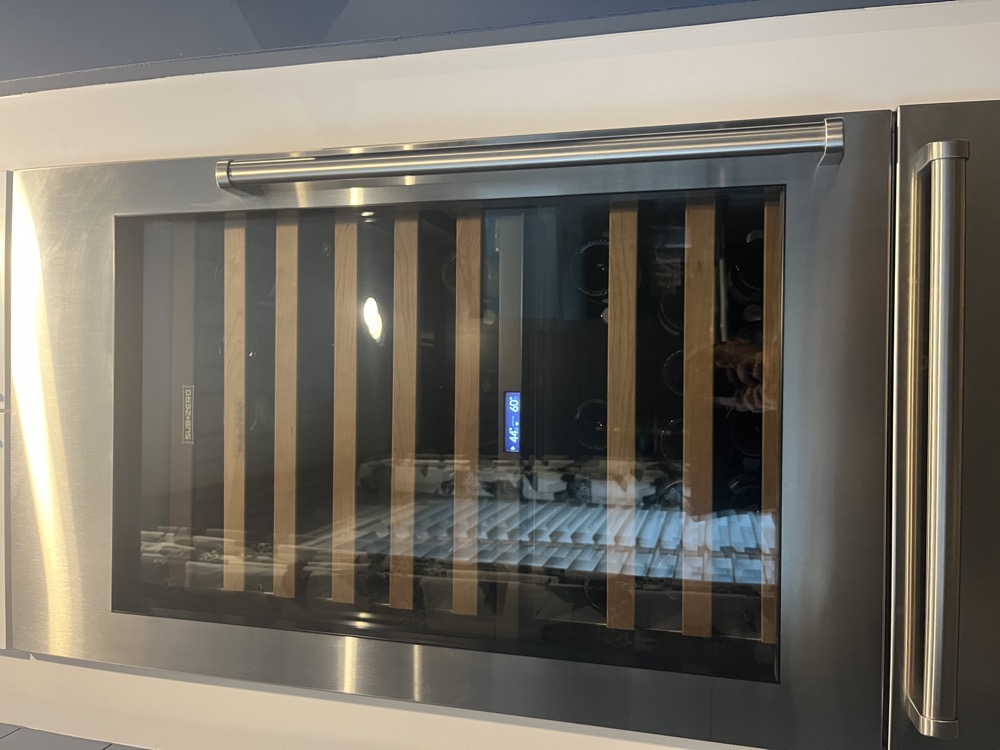
Sub-Zero wine cooler column with wooden racking, the most common premium wine cabinet in Tampa Bay homes
The premium built-ins are the ones most worth diagnosing properly — the cabinet usually outlives several rounds of parts.

Text a photo of the model sticker along with your symptoms and we'll often know the likely cause — and load the right module, fan, or part — before we arrive. Didn't find your brand here? Call or text 813-522-0014. We can fix it. If you own a Sub-Zero, you can also read our dedicated Sub-Zero and built-in repair page.

One pattern worth naming, because it decides more of these calls than any single part does: the faults divide into three families that need completely different responses. Air-side faults — a loaded condenser, a blocked grille, a built-in with no clearance, a thermoelectric unit in a hot room — are the majority of what we find and the cheapest to fix. Control-side faults — a drifting thermistor, a stuck damper, a board that has stopped calling for cooling — are what make a cabinet lie to you on the front panel. Sealed-system faults are the smallest family and the most expensive, which is exactly why they should be proven with gauges rather than assumed because the box is warm.

COMMON PROBLEMS

Common wine cooler problems we fix

If you're searching wine cooler not cooling or wine cooler repair near me, these are the issues we diagnose and repair every week in Tampa Bay:

  • a cooler that isn't cold enough from a thermostat, sensor, or weak compressor
  • temperature fluctuations from control-board issues, fan problems, or door-seal leaks
  • no cooling at all from a compressor failure, a burned-out thermoelectric module, or an electrical fault
  • grinding, buzzing, or clicking noises, usually a fan motor or compressor
  • one zone not cooling on a dual-zone unit, from a damper, sensor, or independent-system failure
  • frost or ice buildup from a defrost, seal, or airflow problem
  • condensation inside from seal deterioration or humidity-control failure
  • a dead display or error codes from a control board or sensor
  • excessive vibration from compressor mounts, leveling, or a fan imbalance
PRECISION-BUILT

Our 7-point wine cooler inspection

Wine coolers demand precision, because a 2 to 3°F error that wouldn't matter in a kitchen fridge can ruin a collection over months. Our inspection is built around wine-specific concerns.

Every number on that list is measured rather than eyeballed, and the readings go on your paperwork. That matters more here than anywhere else in the house: a kitchen refrigerator that runs two degrees off is a kitchen refrigerator that runs two degrees off, but a wine cabinet that runs two degrees off for a year has quietly aged everything on its shelves — and nothing on the front panel will have told you.

We take calibrated readings at the top, the middle and the bottom shelf, not one reading beside the sensor. On a tall column that spread is often where the whole diagnosis lives.

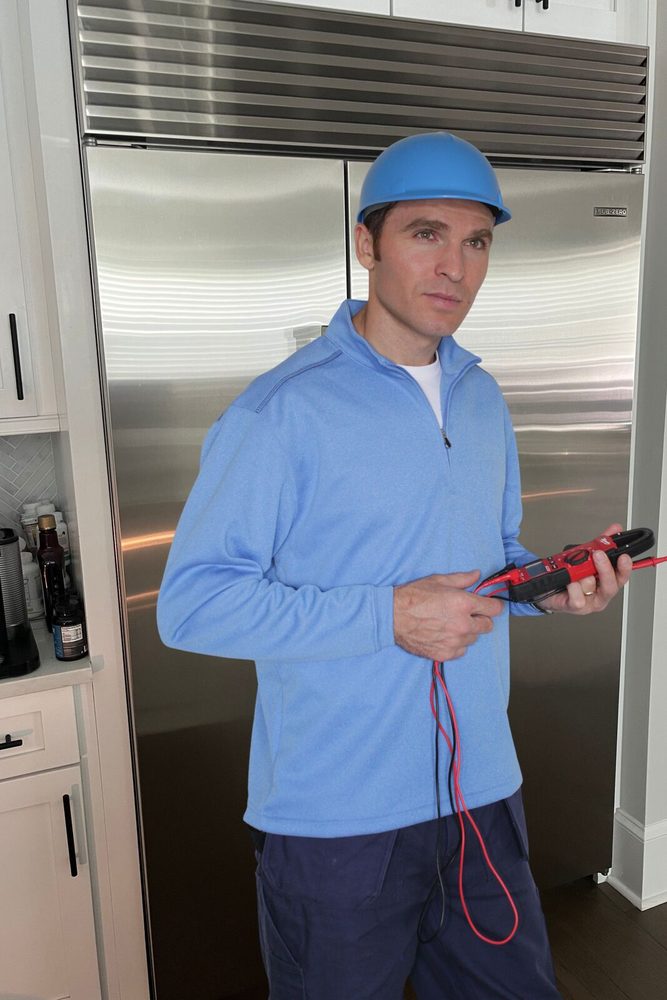
Technician taking calibrated temperature readings inside a built-in cabinet during a wine cooler diagnostic
Readings taken shelf by shelf — the display is evidence of nothing until it agrees with a thermometer.
1

Temperature precision test

Comparing actual versus displayed temperature and checking stability and zone accuracy over time.

2

Cooling system analysis

Compressor or thermoelectric module health, refrigerant levels, and cooling capacity under Florida's heat load.

3

Seal and insulation integrity

Florida humidity infiltration is a leading cause of lost temperature stability.

4

Airflow and fan assessment

Both fans, because uneven circulation creates hot and cold spots.

5

Controls and sensors

Precision electronics are vulnerable to power surges.

6

Vibration assessment

Excessive vibration disturbs sediment and ages wine faster.

7

Dual-zone verification

On dual-zone units we verify independent zone operation, damper function, and separate sensor accuracy so reds and whites each stay correct.

Then you get a clear explanation and a written estimate before any repair — we protect your collection, not pressure you into a replacement.

TWO TECHNOLOGIES

Compressor vs. thermoelectric: different problems, different fixes

Wine coolers use two very different cooling technologies, and the distinction matters for the repair.

TECHNOLOGY 01

Compressor-based unit

Works like a miniature refrigerator, using refrigerant, a compressor, and coils; it handles Florida heat load well and is highly repairable, with most parts replaceable.

Typical failures: the compressor, fans, refrigerant leaks, and control boards.

TECHNOLOGY 02

Thermoelectric unit

Uses the Peltier effect — solid-state electronic cooling with a fan and heat sink; it's often repairable through module and fan replacement, but it struggles in high ambient temperatures.

Typical failures: the Peltier module and fan (replaced as a pair) or a control-board component.

FLORIDA TAKEAWAY

Thermoelectric coolers frequently can't keep up in a garage or outdoor kitchen once the room passes about 80°F, and part of our job is telling you whether you're facing a repair or a placement problem.

DOCUMENTED WORK

Three recent wine cooler jobs, with the photographs to go with them

Our own photographs from real calls in Tampa Bay. No stock library images, no borrowed testimonials, no invented star ratings. Each one is written the way we write your service notes: what the call was, what we actually did, and what the result was — including the parts that are less flattering than a marketing page would prefer.

Sub-Zero wine cooler column with wooden racks, diagnosed on a Tampa service call
Sub-Zero column · Tampa

The call: The owner called because the display read correctly but the bottles on the top two shelves felt warm to the hand — and a thermometer left inside overnight confirmed it.

What we did: The condenser was matted with the fine dust and cooking grease every kitchen cabinet collects here, and the evaporator fan was turning but drawing well under its rating. We cleaned the coil, replaced the fan, and reseated a cabinet probe that had slipped out of its clip — which is why the display had been reporting a temperature nobody in the house was actually getting.

The result: Calibrated readings taken at the top, middle and bottom shelf after pull-down, all inside a two-degree spread. We set a condenser-cleaning interval based on what was actually on the coil rather than a generic schedule.

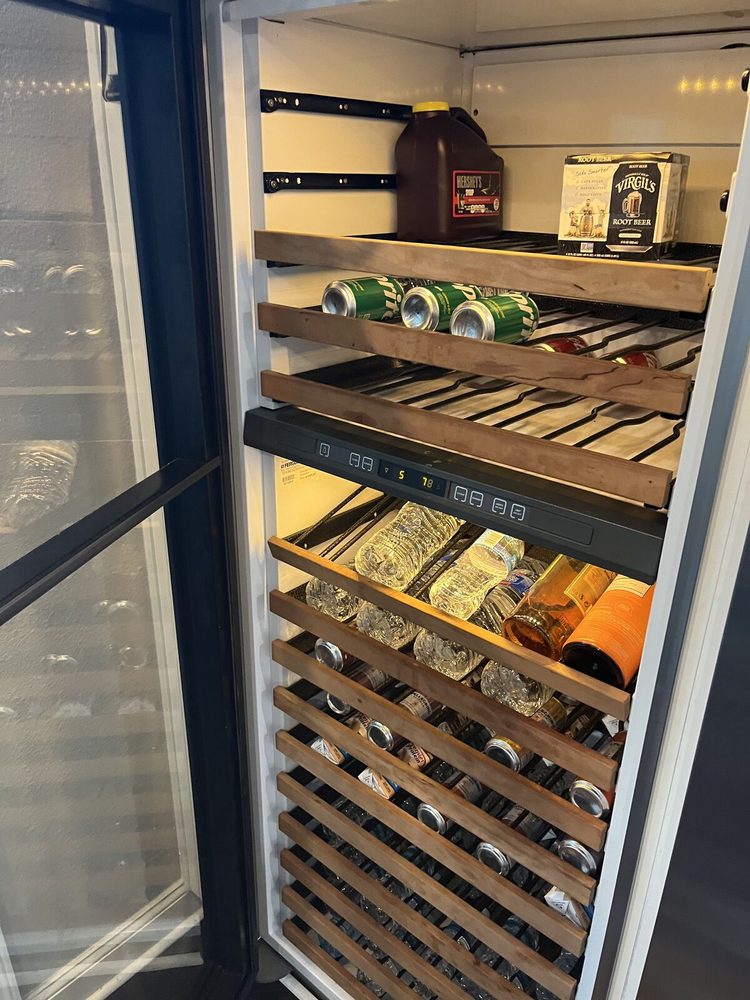
Wine cooler interior with wooden shelves and bottles after a temperature calibration
Dual-zone calibration · South Tampa

The call: Second opinion. Another company had quoted a compressor replacement on a dual-zone cabinet where one side was warm and suggested the owner budget for a new unit instead.

What we did: We started where that diagnosis had stopped. The compressor was fine — the zone was starved because a damper had stuck and a zone thermistor had drifted far enough that the control never called for cooling on that side. Both are ordinary parts. We verified the zone architecture from the model before touching anything, which is the step that had been skipped.

The result: Both zones holding independently and documented with calibrated readings. The repair came in at a fraction of the compressor quote, and we were straight with the owner about the cabinet age and what we would watch for next.

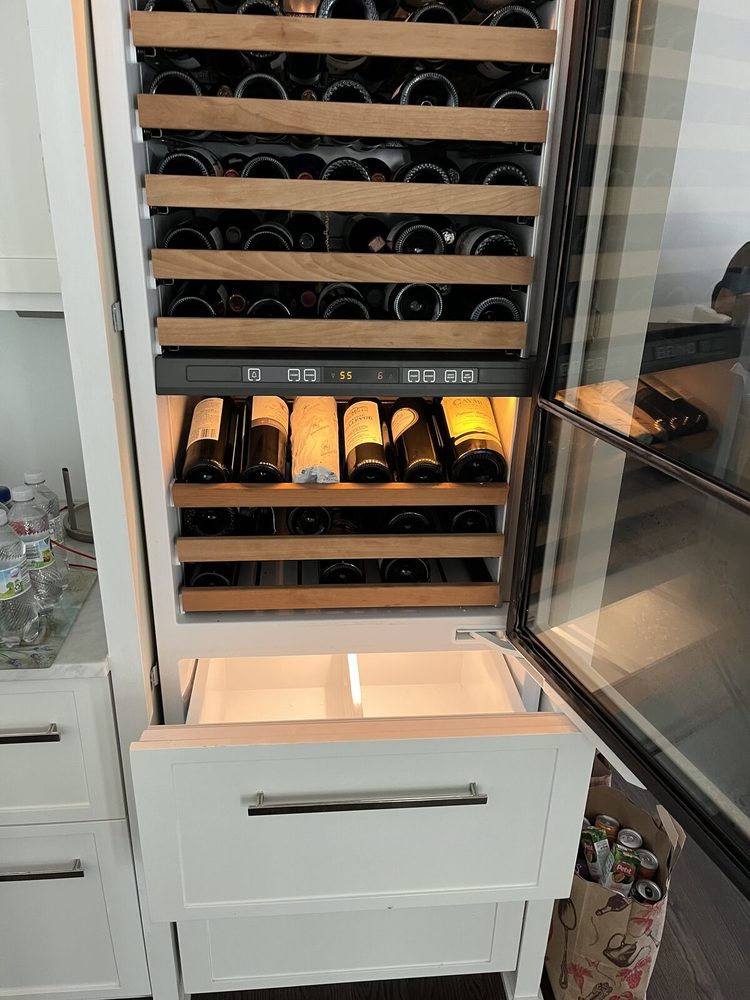
Wine storage column with the lower refrigerated drawer open during a service call in Tampa Bay
Undercounter · Wesley Chapel

The call: An undercounter cabinet in a butler pantry had started leaving water on the floor in front of it, and the homeowner was more worried about the cabinetry than the wine.

What we did: The condensate drain had blocked with debris and the cabinet had been installed a fraction out of level in exactly the wrong direction, so water backed up under the bottom rack instead of leaving. We cleared and flow-tested the drain, reset the levelling so the cabinet carried its own weight, and replaced a door gasket that had been feeding humidity in for years.

The result: Dry floor, a door that closes squarely again, and a cabinet no longer running non-stop to fight its own air leak. The millwork was caught before it swelled.

Same symptom on your cabinet? Call or text (813) 522-0014 — same-day when a call comes in before 2 PM.

HONEST PRICING

Pricing: realistic ranges after diagnosis

Transparent pricing, no surprises, and no "just buy a new one" pressure. Every repair includes the 7-point inspection, genuine factory parts when available, a temperature-calibration check, clear upfront pricing, and our no-fix, no-charge guarantee.

$69
DIAGNOSTIC
APPLIED TO REPAIR

The diagnostic is $69, applied to your repair. All repair costs — standard repairs, Sub-Zero and premium-brand repairs, dual-zone system repairs, and compressor or sealed-system work — are quoted in writing after the diagnostic, before any work begins.

For perspective: a new Sub-Zero wine cooler runs $4,000 to $10,000 or more, and a quality U-Line or Marvel runs $2,000 to $5,000. Most repairs cost a fraction of replacement — and protect a collection often worth far more than the cooler itself. If replacement genuinely makes more sense, we'll tell you.

START TO FINISH

How wine cooler repair works

1

You call or text (813) 522-0014 and describe the symptoms — not cooling, making noise, temperature swings.

2

We schedule quickly, with same-day service available for calls before 2 PM, because your collection can't wait.

3

We run the 7-point inspection and verify actual versus displayed temperatures, then give you a written estimate so you see exactly what's needed and what it costs, with the $69 diagnostic applied if you proceed.

4

We complete the repair, verify temperature accuracy, and provide warranty documentation.

WHERE WE WORK

Service areas

We provide same-day wine cooler repair throughout Tampa Bay when available, including Tampa, South Tampa — Hyde Park, Palma Ceia, and Davis Islands — Wesley Chapel, New Tampa, Lutz, Land O' Lakes, Dade City, Zephyrhills, Brandon, and Riverview. Not sure if you're in our service area? Call or text 813-522-0014, and we'll let you know.

QUICK ANSWERS

Wine cooler repair questions Tampa Bay collectors ask

Is my wine cooler worth repairing?

In many cases, yes — especially a built-in or premium unit like Sub-Zero, U-Line, Marvel, KitchenAid, Viking, Thermador, or GE Monogram. Before replacing anything, we diagnose the real problem: sometimes it's a fan, sensor, dirty condenser, control board, or door seal rather than the whole cooler. If repair makes sense, we'll explain the best option; if replacement is smarter, we'll tell you honestly.

Why is my wine cooler running but not cooling?

A cooler can sound like it's working and still fail to remove heat. Common causes are a weak evaporator fan, a dirty condenser coil, a bad temperature sensor, a control board issue, a door-gasket leak, a compressor or sealed-system problem, or poor airflow around a built-in unit. In Florida heat, small airflow problems turn into big cooling problems fast.

Why does the temperature keep going up and down?

Small changes are normal; big swings are not. If your cooler jumps 10 to 20 degrees, it may have a fan problem, a sensor issue, a dirty condenser, a weak compressor, or poor cabinet ventilation. Those swings stress your wine, dry out corks, and make the unit work harder than it should.

Do you repair built-in and dual-zone wine coolers?

Yes — built-in, under-counter, single-zone, and dual-zone. Built-in units need proper ventilation; if one is installed too tightly, blocked by dust, or surrounded by heat, it may run constantly and still not cool. On a dual-zone unit, one side can cool while the other stays warm because of a failed fan, sensor, damper, control issue, or airflow problem. We test the system before recommending parts.

Do you repair Sub-Zero, U-Line, Marvel, and other premium wine coolers?

Yes, including Sub-Zero, U-Line, Marvel, KitchenAid, Viking, Thermador, Bosch, GE Monogram, JennAir, and Whirlpool. Premium units are usually worth diagnosing before replacement because a new built-in can be very expensive.

Why is my wine cooler making noise or building ice?

Noise and ice usually point to airflow, fan, moisture, or defrost problems. A grinding or rattling sound may be a fan motor or a blade hitting ice; clicking may be a compressor start issue. Ice buildup can happen when the door gasket leaks, the fan is weak, the drain is blocked, or the unit is pulling humid Florida air into the cabinet. Don't ignore new noises — a small fan problem can lead to poor cooling and compressor stress.

Can you repair a wine cooler after a power outage or storm?

Yes, depending on the damage. Florida storms and power spikes can damage control boards, displays, relays, and compressors. Sometimes the unit is completely dead; sometimes the display works but it won't cool. We test the electrical side first, then the cooling system, and with qualifying repairs we may recommend surge protection to reduce future risk.

Do you work on R-134a and R-600a wine coolers?

Yes, both older R-134a and newer R-600a systems. Sealed-system work has to be done correctly — just adding refrigerant without finding the leak or testing the system isn't a real repair. We check the compressor, refrigerant system, and overall condition before recommending sealed-system work.

How much does wine cooler repair cost?

It depends on the real failure. Fan, sensor, gasket, cleaning, or control issues usually cost less than compressor or sealed-system repairs, and premium built-ins can cost more because access, parts, and testing are more involved. The diagnostic is $69 and applies toward an approved repair. After testing, you get a clear estimate before any work begins — no mystery fees, no blind quotes.

What should I do if my wine cooler stops cooling?

Keep the door closed, move expensive bottles to a stable cool place if needed, check that the unit has power, look for ice buildup or blocked vents, and don't keep resetting it over and over. Then call a technician before the compressor overheats. If you're in Tampa, South Tampa, Wesley Chapel, Dade City, Zephyrhills, Lutz, Land O' Lakes, or a nearby Tampa Bay area, call or text us.

What is the most common problem with wine coolers?

Across every brand and both technologies, the most common single finding is restricted airflow — a condenser matted with dust and kitchen grease, a blocked vent grille, or a cabinet built into an opening with no clearance behind it. It is also the cheapest thing on the list to fix and the easiest to prevent. Second place goes to temperature sensors drifting out of calibration, which is why a display can insist on 55°F while the bottles sit at 66°F. Compressors and sealed systems are far down the list, despite being the first thing most people fear.

How do you reset a wine cooler?

Unplug it, or switch off its breaker, and wait a full five minutes before restoring power — that pause lets system pressures equalise so the compressor is not asked to start against a head of pressure. Alarms and a locked keypad are cleared at the control instead, usually by holding the set or power key for several seconds. What matters more than the reset itself: a cabinet that needs resetting repeatedly has a fault, and each forced restart is harder on the compressor than the last.

How cold should a wine cooler be?

For general storage of a mixed collection, a steady 55°F is the classic answer and still the right one. For serving, reds want roughly 55 to 65°F, full whites 50 to 55°F, crisp whites and rosé 45 to 50°F, and sparkling 40 to 45°F. On a dual-zone cabinet the usual split is around 55°F upstairs and 45 to 50°F downstairs. Use the temperature guide above to get a setpoint for what you actually store — and judge it on a thermometer inside the cabinet, not on the display.

How long do wine coolers last?

Compressor-based cabinets are generally planned around a ten to fifteen year service life, and premium built-ins routinely pass that when the condenser is kept clean. Thermoelectric units run shorter, commonly five to eight years, because the Peltier module and its fan are consumable parts. In Tampa Bay the biggest variable is heat: a cabinet in a conditioned kitchen with real clearance will outlive an identical one in a garage or an outdoor bar by years.

Why is my wine cooler not cooling after a power outage?

Florida storms take out control boards, relays and compressor start components, and they trip GFCI outlets that then get forgotten. Check the outlet and any GFCI on the circuit first — a meaningful share of these calls end there. If power is confirmed and the cabinet still will not cool, the usual damage is the control board or the start relay rather than the compressor itself, and both are ordinary repairs. On qualifying repairs we will recommend surge protection, because the second outage is never far away here.

Why is my wine cooler running but the compressor is hot?

A hot compressor shell on a cabinet that is not cooling almost always means the machine cannot reject heat — a matted condenser, a dead condenser fan, or no clearance around a built-in. The compressor is working at full output into air it cannot get rid of, which is exactly the condition that eventually kills it. This is the fault worth acting on quickly, because the cheap repair today prevents the expensive one next month.

What should I check before calling for wine cooler repair?

Five things, and they take about three minutes. Confirm the cabinet has power and the display is lit. Put a thermometer inside and compare it against the display. Look at the vent grille and the condenser behind it for dust and grease. Check that the door closes and seals along its whole edge. Note whether the room around a freestanding or thermoelectric cabinet is unusually warm. Those five answers, plus a photo of the model tag, let us load the right part before we leave the shop.

How can I prevent common wine cooler problems?

Clean the condenser twice a year in Tampa Bay — more often if the cabinet is near a cooktop — and keep the vent grille genuinely clear rather than nearly clear. Do not overload past the rack line, because it blocks the air path. Keep the door seal clean and check it closes squarely. Give a built-in the clearance the manual asks for, not the clearance the cabinetry allowed. And put the cabinet on a surge protector; it costs less than one control board.

Do you repair commercial wine refrigerators and wine-room cooling?

Yes. We service glass-door merchandisers and back bars through our commercial refrigeration work, and we evaluate wine-room cooling units such as Breezaire as well as cabinets. Commercial equipment is treated as a priority call when there is inventory at stake.

Are wine cooler repair appointments available on weekends?

We schedule Monday through Saturday, with same-day availability when a call comes in before 2 PM. A wine cabinet that has been warm for a day is not the same emergency as a commercial box full of product, but it is not something to leave until next week either — sustained heat is what damages wine, and the clock is running the whole time.

PROOF, NOT PROMISES

What Tampa Bay customers say

A wine cooler specialist's reputation should be easy to verify. You can read verified customer reviews on our Google Business Profile and our BBB Business Profile, and you're welcome to leave a review after we've helped you.

Protect your wine collection — get expert repair today

Every hour your wine cooler runs warm, your collection is at risk. Don't trust your investment to a generalist who doesn't understand wine storage. We've repaired wine coolers in Tampa Bay for years, and we'll tell you honestly whether repair or replacement makes sense.

Call or text (813) 522-0014 Book online

The $69 diagnostic is applied to your repair. Same-day service when available. Licensed and insured. Text a photo of the model tag and the interior versus displayed temperature for a faster diagnosis.

Perfect Appliance Repair Tampa — Wine Cooler Repair.

— We Stand Behind Our Work —

Repair guides from real service calls

Free troubleshooting write-ups from real Tampa Bay service calls — what usually causes it, and what it takes to fix.

All repair guides · Full site index

Call now
Get your free quote
We confirm within the hour, Monday – Saturday

No obligation. Your info is never shared.